About UNHCR

UNHCR in Indonesia

UNHCR has been working in Indonesia since 1979 and has its main office in Jakarta and a presence in Medan, Tanjung Pinang, Makassar, Kupang and Pontianak. Its initial activities revolved around the influx of Vietnamese boat people, in accordance with the Comprehensive Plan of Action (CPA), that was adopted on 14 June 1989 by state members of the International Conference on Indo-Chinese Refugees. The CPA provided UNHCR with specific responsibilities in handling the Indo-Chinese influx. In 1979, the Government authorized the establishment of a refugee camp on Galang Island where more than 170,000 people were accommodated until the camp’s closure in 1996.

Indonesia is not a party to the 1951 Convention relating to the Status of Refugees or the 1967 Protocol, nor does it have a national refugee status determination system. As a result, the Government authorizes UNHCR to carry out its refugee protection mandate and to solve refugee problems in the country.

Surrounded by countries hosting large numbers of asylum seekers and refugees, such as Malaysia, Thailand and Australia, Indonesia is impacted regularly by mixed population movements. After a lull during the late 1990s, the number of asylum-seekers arriving to Indonesia began to increase in late 2000, 2001 and 2002. Even if the number of arrivals slowed down from 2003 – 2008, the arrivals trend picked up again in 2009 with some 3,230 persons claiming for UNHCR protection. The majority of the new arrivals were from Afghanistan (71%), Myanmar (8%), Sri Lanka and Iraq.

UNHCR’s protection starts with ensuring that refugees and asylum-seekers are protected from refoulement (i.e. from their forced return to their home country where their lives, or freedom might be in danger as a result of persecution). Refugee protection further includes a process of verification of refugees and asylum-seekers identity for the purpose of their registration and issuance of individual documentation. Registered asylum-seekers will then have their claims for refugee status recognition thoroughly assessed by UNHCR in what is known as a Refugee Status Determination (RSD) Procedure. This procedure offers each individual asylum seeker the opportunity to be interviewed in h/her own language by a RSD Official assisted by a qualified interpreter, who will assess the merits of the claim for protection. The asylum-seeker will be then provided with a reasoned decision on whether refugee status is granted or not. In case one’s claim for protection is rejected, the RSD procedure still grants the asylum-seeker an opportunity to appeal the negative decision. Furthermore, for those found to be refugees, UNHCR seeks for one of three possible durable solutions: resettlement to a third country, voluntary repatriation (when conflict in the person’s home country is over) and local integration. However, the latter is not available for refugees in Indonesia as the Government does not authorize recognized refugees to stay living in the country. Resettlement to a third country remains, therefore, the only durable solution for the majority of refugees in Indonesia.

Today, UNHCR has more than 40 people working in Indonesia. As of 31 March 2012, there are 3.781 asylum seekers and 1.140 refugees registered with UNHCR Jakarta.

UNHCR Globally

The Office of the United Nations High Commissioner for Refugees was established on December 14, 1950 by the United Nations General Assembly (UNGA). The agency is mandated to lead and coordinate international action to protect refugees and resolve refugee problems worldwide. Its primary purpose is to safeguard the rights and well-being of refugees. It strives to ensure that everyone can exercise the right to seek asylum and find safe refuge in another State, with the option to return home voluntarily, integrate locally or to resettle in a third country. The Office was also mandated by the UNGA to assist and find solutions for stateless people.

In more than six decades, the UN Refugee Agency has helped tens of millions of people to restart their lives. Today, a staff of some 7,685 people in more than 125 countries continues to help some 33.9 million persons.

UNHCR in Asia and the Pacific

In the Asia region, mixed migratory movements continue to be a defining feature of the region, with some people moving in search of better livelihoods, while others flee persecution or conflict. In an environment where States’ concerns about national security and bilateral relations take priority over refugee protection, UNHCR continues to advocate for respect of the right of asylum and the preservation of “asylum space” in the region.

The number of UNHCR’s people of concern in Asia was 16,112,700 people at the end of 2010, a 13.2 percent drop from the total of 18,567,000 at the end of 2009. Both Pakistan and the Islamic Republic of Iran continue to host some of the world’s largest refugee populations, with 1.7 million Afghan refugees living in Pakistan and another million in Iran. Though voluntary repatriation to Afghanistan slowed significantly in 2009 to some 57,580 people, it picked up between March and August 2010, when more than 100,000 Afghan refugees returned home.

In the complex context of mixed migration in South East Asia, there has been an increase in the number of asylum seekers as a consequence of developments in the region that caused external displacement, such as the conflict in Sri Lanka and the human rights situations in Myanmar. Similarly, humanitarian crises in countries in other regions such as Iraq in the Middle East, cause additional people displacement into the region. At the same time, the security concerns of States continue to constrain refugee protection and asylum space. The increasing use of detention facilities to hold asylum seekers and refugees, including children and other vulnerable people, is a worrying trend. UNHCR continues to advocate for increased protection space, unhindered access to asylum, fair and efficient refugee status determination (RSD) procedures and expanded opportunities for durable solutions for all the people of concern in Asia. At the same time it seeks to promote public tolerance and support for refugees and mobilize funding from both public and privates sources.

The Asia Pacific Region has a low level of accession to the 1951 Refugee Convention. Only 23 out of 67 countries in Asia and the Pacific have signed the Convention and or the Protocol, including Afghanistan, Iran, Japan, South Korea, China, Australia, and New Zealand. Asian State Parties implementation of their Convention obligations remains a challenge for some signatory States. While due recognition should be given to the hospitality offered by non-State Parties to the Convention who have hosted large numbers of refugees for prolonged periods, the fragility of the protection environment for asylum seekers in the region remains a major constraint to UNHCR’s protection work and also tends to create instances of non-refoulement.

UNHCR’s resources and protection capacity tend to be further challenged by the region’s political volatility and its vulnerability to natural disasters.


Telling The Human Story

Displacement is hard to imagine if you've never suffered it. Those who have, speak out.

Photo Galleries

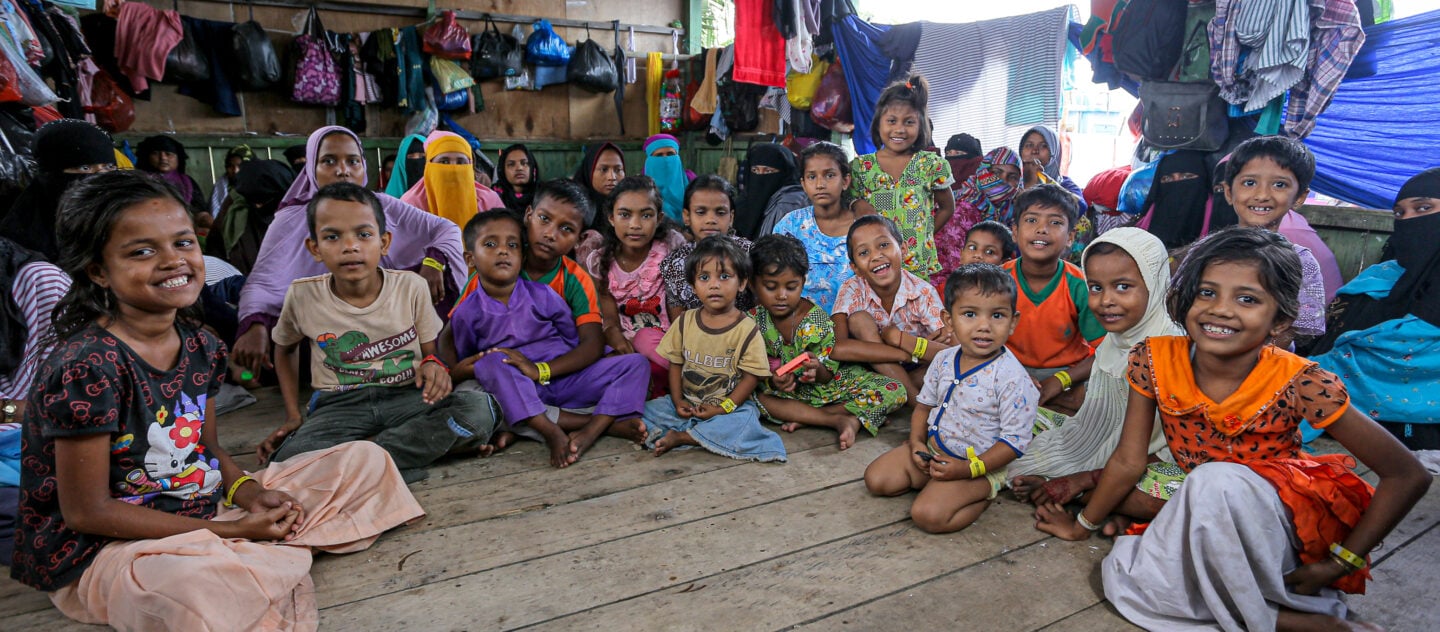
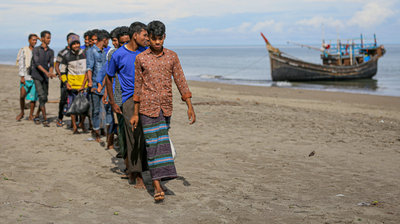
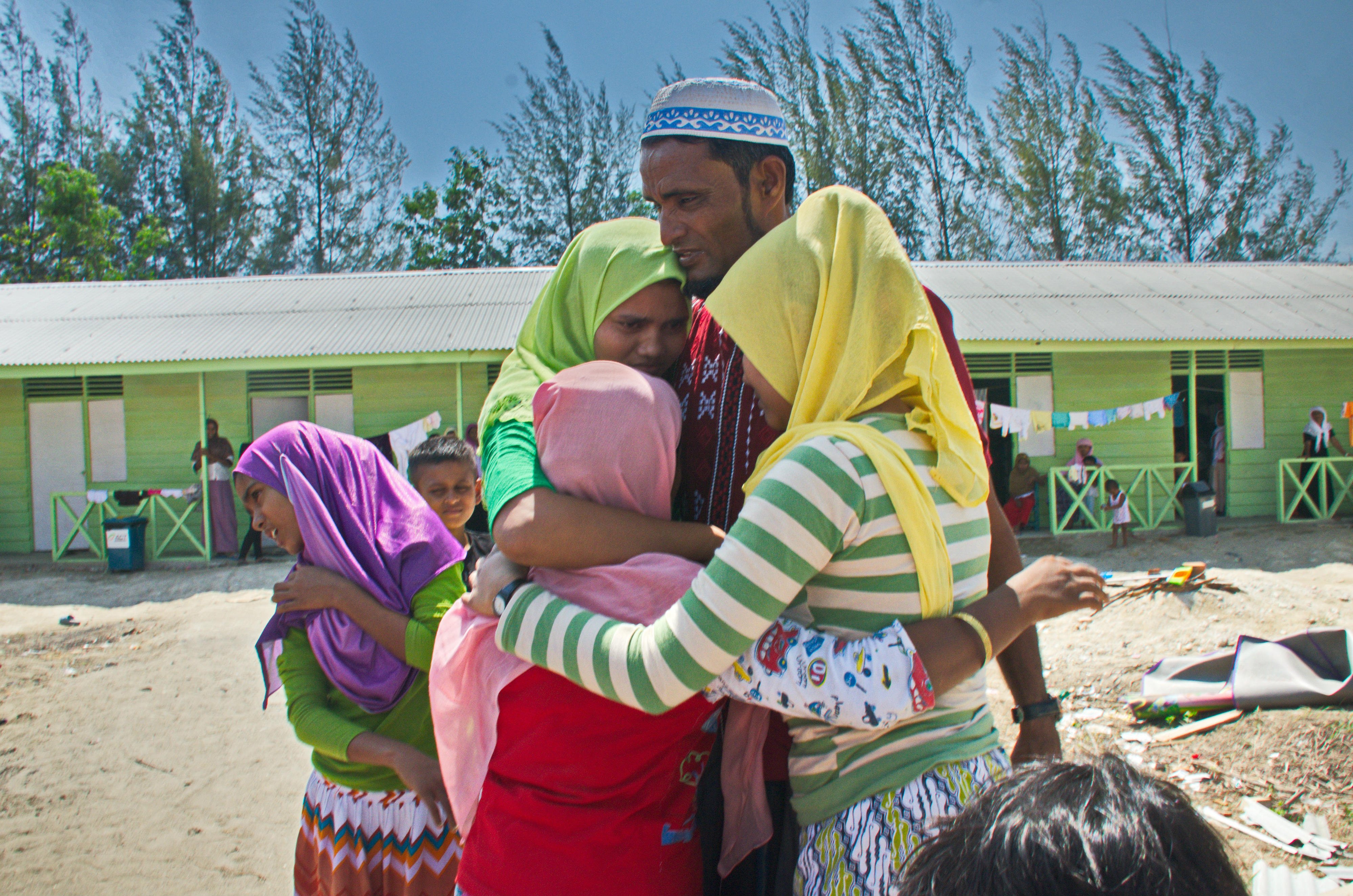
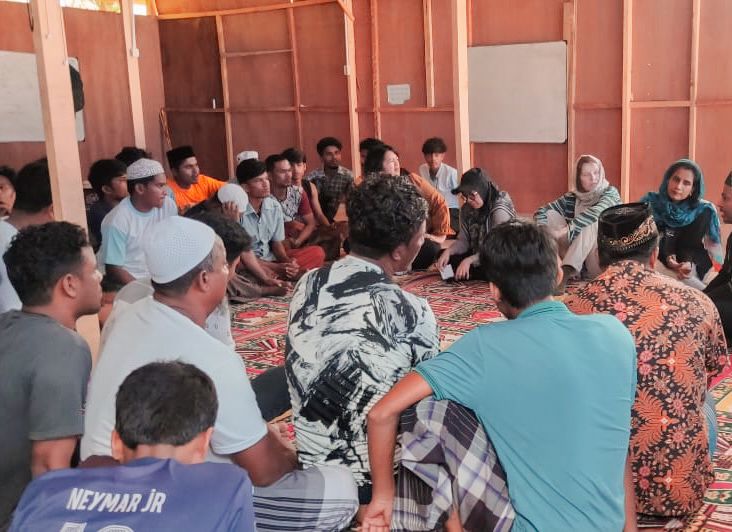
Indonesia is a young country but it has contributed significantly to refugee protection. UNHCR has some of these historical humanitarian operations in Indonesia captured in photographs.

Angelina JolieUNHCR Ambassador

Angelina Jolie has been serving UNHCR as Ambassador since 2001.